
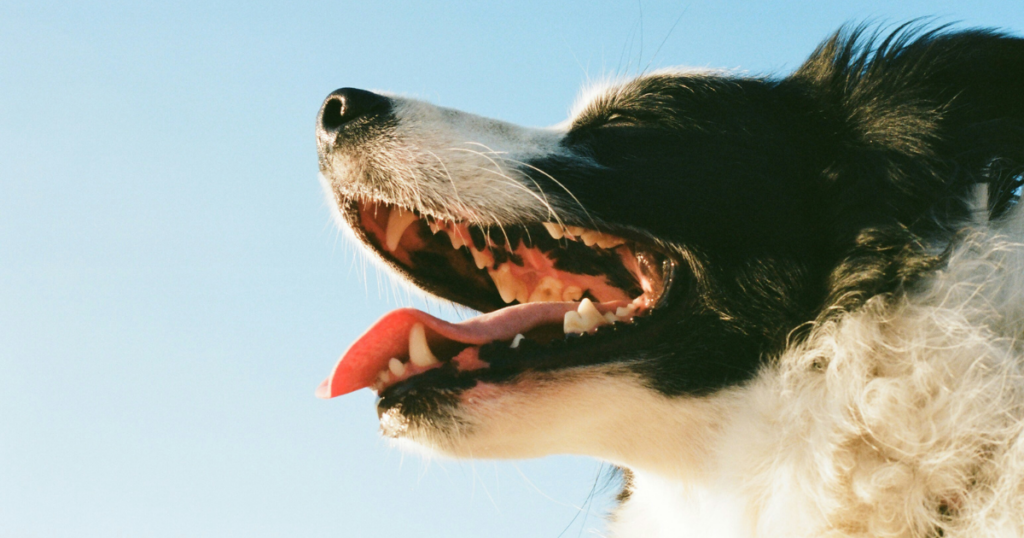
Did you know that February is Pet Dental Month? Every February, we try to bring awareness to the importance of caring for your pet’s teeth. According to the American Veterinary Medical Association,¹ many cats and dogs develop periodontal disease by the age of 3 years old. It’s important to know the signs, symptoms, and causes of common dental issues so you can help your pet feel better faster and prevent it from worsening over time, saving you hundreds in vet bills.
We have been taught our whole lives to brush our teeth daily or else we’ll have to make a trip to the dreaded dentist. Our pets are a lot more like us than you might think. They too can quickly be affected by poor dental hygiene, which can endanger the heath of the heart, liver, and kidneys.¹
It’s usually easy to tell if your pet is in any pain or discomfort if they have a sore paw or hurt limbs. However, it’s harder to see signs of pain that are caused by dental issues because pets tend to hide them more. Instead of whining or completely outright refusing food, they might make little adjustments to cope with the pain. This can look like chewing on one side, avoiding hard/tough toys, or just simply eating slower. Because of this, it’s extremely important to schedule regular dental checkups at your vet so you can find the issue before it progresses.
Periodontal disease is one of the most common dental issues in pets. It’s especially common amongst brachycephalic dog breeds like French Bulldogs, English Bulldogs, Pugs, Chihuahuas, and Boxers. This is due to their head size. They have the same amount of teeth as every other dog, but a smaller space to fit them in. The overcrowding of the teeth easily catches food and debris, and the bacteria thrive in the small spaces.² The American Medical Association¹ explains periodontal disease as inflammation of the gums that’s caused by an accumulation of plaque and bacteria beneath the gumline. It’s easy to prevent since plaque can be treated through regular teeth brushing. But once plaque hardens into tartar, it becomes a visit to the vet as tartar can only be safely removed under general anesthesia in regards to animals, according to Dr. Jennifer Kelley, an assistant professor of Dentistry and Oral Surgery at the University of Minnesota.³ When plaque and tartar move below the gumline, it can cause infection and damage to the jawbone and the tissues that connect the tooth to it. To begin treating periodontal disease, your vet will need to do a thorough cleaning and take some x-rays to determine the severity. Then you and your vet can collaborate and come up with a suitable plan for what to do next.
Even though periodontal disease is the most common dental concern, it’s also common for dogs to get broken teeth and roots which can be caused by simply chewing. While dental chews can help clean pet’s teeth, they’re not as effective as brushing using toothpaste and a toothbrush. Dental chews also only clean the teeth that pets use to chew, so some of their teeth get missed. The Larry Meiller Show on the Wisconsin Public Radio hosted Christopher Snyder, who is one of the board certified dentistry experts of the School of Veterinary Medicine as well as the director of University of Wisconsin Veterinary Care.⁴ He explained that chew toys and treats can indeed help clean pet’s teeth. However, the “muscles in the jaw that help pets chew can generate more pounds per square inch than teeth can withstand, leading to teeth breakage and the need for root canals.” But how do you know which chew to buy that is safe for your pet? Well, an article by Natural Farm Pet, “How to Determine Your Dog’s Chew Strength” tells you exactly what to do to figure that out.⁵
First, you should know that there are 3 chew strengths: light, medium, and hard. Next, read up on them below and the characteristics to look out for to determine your dog’s chew strength.
Light/gentle:
-Your dog takes a long time to finish their treats.
-They are gentle with their toys.
-They have sensitive teeth and/or gums.
-Your dog is a puppy or a senior.
Medium/moderate:
-Your dog loves to chew but still takes a generous amount of time to finish chews.
-Their toys almost never get destroyed or it takes a while before they do.
Hard/aggressive:
-Your dog loves to chew and consumes their treats and chews immediately.
-Almost no toy lasts very long.
Now that you have an idea on what strength of chew best fits your dog, check out these dental chews and shop online or in stores!
An alternative to a treat chew would be giving your pup a toy chew and spreading some pet-safe toothpaste on it. The toy will act as a toothbrush and clean your pet’s teeth as they chew on it! For light chewers, we recommend giving them a chew toy made for puppies as they are typically more flexible. Shop some of our dog chew toys below!
Dr. Jennifer Kelley, mentioned previously, gives advice on how to properly brush your pet’s teeth. It’s important to use a soft bristle brush that is the appropriate size for their mouth. This can help diminish the level of discomfort that your pet might have. Next, using a pet safe toothpaste, focus on brushing the outside of the upper teeth while making small circles near the gumline. If they let you, brush the outside of the lower teeth as well using the same circle technique. Starting off with short sessions and giving your pet a high value reward after is key to pets that aren’t used to having their mouths touched.³
A lot of cat owners often dismiss brushing their cat’s teeth because of their claws and, often times, low tolerance to their face being touched. It can be scary trying to get your cat to stay still so you can touch their sharp and pointy teeth. That’s why starting slow and giving your cat breaks or extra treats and toys can help ease the process along. But, if it seems like you’re making no progress with your feisty feline, don’t worry. In certain cats with certain backgrounds, it’s normal for it to take a long time before you’re able to comfortably brush their teeth. The Wellesley-Natick Veterinary Hospital in Massachusetts provided a guide to set you and your cat up for success.⁶
- Wait until your cat is calm and relaxed
- Gently lift your cat’s lips, then use your finger to massage their teeth and gums for just a few seconds. You shouldn’t expect too much from your cat at first. They might not even let you get near their face, and that’s okay. This is about building trust and tolerance. The more you touch their face and mouth, the more it will become tolerable to them.
- Once you’ve massaged their gums (or at least tried to), give them one of their favorite treats and then give them some space to let them decompress.
- After your cat has gotten used to you touching their mouth, slowly introduce a soft bristle toothbrush in short sessions. Follow the same technique as you did when massaging their gums: start slowly and give treats after.
- You can also introduce them to cat safe toothpaste and let them lick it off the toothbrush.
UP CLOSE & PERSONAL
I find that wrapping them up in a blanket burrito and letting them chew on the toothbrush with toothpaste is the best way to get their teeth mostly clean. My cat lets me touch his mouth, but it took time. I waited until he was sleepy, then I gently stroked his cheeks and lifted his lips to show his teeth. Paying attention to his body language was key. The second he showed signs of agitation, I immediately backed off and let him relax for awhile.
Being able to touch your pet’s mouth with little resistance is not only important in being able to keep up their dental hygiene, but it also comes in handy in emergencies if they eat something that is dangerous, or if you need to administer medication for them. Before starting this journey, you should first contact your vet to get a consult for your pet’s dental health so you know what will best work for them and their needs, as well as find out if they have any underlying issues.
Click the button to shop all dental products!
SOURCES:
- American Veterinary Medical Association, “Pet Dental Care” Link
- Australian Broadcasting Association, “How Important Is It To Look After Your Dog’s Teeth?” Link
- University of Minnesota, “Talking Pet Dental Health with University of Minnesota” Link
- The Larry Meiller Show with Christopher Snyder Link
- Natural Farm Pet, “How to Determine Your Dog’s Chew Strength” Link
- Wellesley-Natick Veterinary Hospital, “Cat Teeth Cleaning: How to Clean Cat’s Teeth?” Link

Rose
Full time cat lover (and Mounds employee).